Hurricane season travel guide for Central Florida
Is it risky to visit Orlando during hurricane season?
Most trips between June and November happen with no disruption at all. The real risk is narrow and specific: a storm can force a park closure for a day or two, or push airlines to cancel flights the day before landfall, most often in August through October. Orlando itself sits inland and rarely floods; the coasts flood more.
What the season actually means for a trip
The Atlantic hurricane season runs from June 1 to November 30, and Central Florida sits inside that window for any visit booked across summer or fall. The season is long, but the risk inside it is not evenly spread. Early June and late November see relatively little tropical activity near Florida; August, September, and October carry most of it, with September the statistical peak for the Atlantic basin as a whole. A trip booked for the first half of June carries a different practical risk than one booked for the third week of September, and it is worth planning as if that difference is real, because it is.
The base case, stated plainly: most trips to Orlando between June and November happen with no storm-related disruption at all. Central Florida can go through an entire season with tropical storms passing well offshore or dissipating before reaching the peninsula. The scenario worth planning around is not “will a hurricane ruin my trip” — it is narrower: a storm tracks close enough that a park closes for a day or two, or that airlines cancel flights the day before and after landfall. That is the disruption that actually shows up in a typical affected trip, not a week-long washout.
Orlando inland versus the coasts
This is the single most useful geographic fact for anyone weighing a Central Florida trip against a coastal one during storm season. Orlando sits well inland, away from the Atlantic and the Gulf, and inland location matters enormously for hurricane risk. Storm surge — the wall of ocean water a hurricane pushes ashore, which causes most hurricane deaths and the most severe property damage — does not reach Orlando. The Space Coast and the barrier islands of the Gulf Coast region face surge risk directly; Orlando does not.
That does not make Orlando immune. A hurricane or tropical storm passing near or over Central Florida still brings damaging wind, heavy rain, and a real risk of tornadoes spun off from the storm’s outer bands. Inland flooding from days of heavy rain is a genuine risk for low-lying areas. But the specific hazard that forces evacuations and closes barrier-island hotels — surge — is a coastal problem, not an Orlando one. If a storm is approaching while you are in the region, a hotel near the theme park corridor is a materially different situation than a beachfront room on Cocoa Beach or Clearwater Beach.
What actually closes, and for how long
Walt Disney World, Universal Orlando, and SeaWorld have each closed operations for a day or two at a time when a hurricane’s forecast track put damaging wind squarely over Central Florida. These closures are decided close to the event — typically announced a day or two ahead, once the forecast track firms up, not weeks in advance. A park closure is not a season-long event; it is a specific, short window around the worst of the weather, and normal operations typically resume within a day or two once the storm passes.
Smaller outdoor attractions and tour operators — airboat rides, kayak trips, boat cruises — are more sensitive to wind and lightning than the major parks and may pause with less warning, sometimes for a single afternoon of thunderstorm activity that has nothing to do with an actual hurricane. That is a separate, much more common event from a hurricane closure, and it is worth not conflating the two.
Before you book: read the policies, don’t assume them
The practical hurricane-season checklist is less about the storm itself and more about what you agree to when you book.
Trip cancellation coverage. Read the policy before buying it, specifically for how it treats a named storm. Many policies stop offering “cancel for named storm” coverage once a storm has actually been named or a hurricane watch has been issued for your destination — the coverage exists to protect against an unknown risk, not one already on the map. Buying a policy the week a storm is already tracking toward Florida is often too late for that specific protection, even if the policy still covers other unrelated cancellation reasons.
Ticket rebooking policies. Ask, before buying dated theme park tickets, what happens if the park closes on your ticketed day. Tickets bought directly through the park operator’s own site are generally the easiest to move to another date. Tickets bundled into a third-party vacation package can involve an extra layer of rebooking through that seller, which takes longer and is less predictable.
Flight flexibility. A basic economy fare with no changes allowed is the cheapest ticket to buy and the worst one to hold during a September trip. Airlines typically issue day-of-cancellation waivers once a storm is named and tracking toward Florida, letting affected travelers rebook without a change fee — but that waiver only helps if your dates and route are close enough to the disruption to qualify, and it does not refund the trip outright. A fare with at least some flexibility, even at a modest premium, is worth weighing against the cheapest non-refundable option for anyone traveling in the peak months.
Watching the actual forecast. The National Hurricane Center’s official track and cone are the source to check, not a headline or a social post. A hurricane watch issued for Florida’s east or west coast means conditions are possible within about 48 hours — it is an early signal, not a confirmation that a storm will reach Orlando specifically. Checking the forecast once a day during an active watch, rather than reacting to the first advisory, is the more useful habit.
The mistake worth naming directly
The trap is specific: booking a September trip with non-refundable, non-changeable theme park tickets and the cheapest, most rigid flight fare, on the assumption that if a storm hits, the airline or the park will simply make it right. They often will not, or the accommodation will be partial and slower than a traveler expects mid-trip. Airlines’ storm waivers are announced closer to the event and only apply within a specific window; park ticket rebooking depends on how and where you bought. Building in flexibility at the time of booking — a changeable fare, tickets bought where rebooking is straightforward, a cancellation policy actually read for its named-storm terms — costs comparatively little up front and is the difference between an inconvenience and a lost trip if a storm does track toward Central Florida during your dates.
Rough seasonal risk by month
| Month | Storm activity near Florida | Practical note |
|---|---|---|
| June | Low to moderate | Season just opened; early-season systems are less common |
| July | Moderate | Fewer landfalling storms than late summer |
| August | Rising | Activity increases through the month |
| September | Peak | Statistical high point for the Atlantic basin |
| October | High | Still very active; storms can track through Florida from the Gulf |
| November | Declining | Activity tapers toward the season’s close on the 30th |
These are rough, seasonal patterns, not a forecast or a probability for any single trip — no guide can tell you the odds for your specific week, and treating any number here as a prediction would be misleading.
A practical pre-trip checklist
- Check the cancellation policy’s named-storm clause before buying, not after a storm appears on the map.
- Choose a flight with at least some change flexibility if traveling August through October.
- Buy theme park tickets through a channel with a clear rebooking path.
- Bookmark the National Hurricane Center’s official forecast rather than relying on news headlines during an active watch.
- Remember that a hotel base in Orlando itself carries less surge exposure than a coastal stay on the Space Coast or Gulf Coast during the same storm.
- Keep a day of slack in a multi-day itinerary if traveling in September, rather than scheduling every day back to back with no flexibility to shift.
None of this is a reason to avoid Central Florida from June through November — the region welcomes millions of visitors across those months every year, and the great majority of those trips proceed exactly as planned. It is a reason to book the way anyone booking during a season with a known, if occasional, weather risk should: with a cancellation policy actually read, a flight with some give in it, and one eye on the forecast if a system is tracking toward Florida during your dates. For everything else about when to go, see the site’s broader look at Orlando’s seasons and crowd patterns and at how far ahead to book park tickets.
If your trip includes a day trip to the coast, a private, weather-flexible option like a private Kennedy Space Center tour is easier to reschedule than a fixed group departure. Inland activities such as a guided sunset kayak paddle near Orlando or a guided evening walking tour in Winter Park are also less exposed to coastal storm disruption than a beach-based excursion. On the St. Augustine side, a guided airboat adventure near St. Augustine depends on calm water and clear skies, so build in a flexible day if booking during peak season.
Hurricane season travel: frequently asked questions for an Orlando trip
When is hurricane season in Florida?
Officially June 1 through November 30. Activity is not spread evenly across those six months — August, September, and October carry the bulk of the risk, and September is statistically the busiest month for storms in the Atlantic basin.
Do the theme parks close for hurricanes?
Yes, when a storm is forecast to bring damaging wind to Central Florida. Walt Disney World, Universal Orlando, and SeaWorld have each closed for one to two days at a time during major storms in past seasons. Closures are announced a day or two ahead, not weeks ahead.
Is Orlando safer than the coasts during a hurricane?
Orlando sits inland, away from the storm surge and coastal flooding that threaten the Space Coast and the Gulf Coast. Inland Central Florida still gets damaging wind and heavy rain from a passing storm, but it does not face the surge risk that closes coastal roads and hotels.
Should I buy travel insurance for a September trip?
Reading the cancellation policy before you buy is the practical step, not buying insurance as a reflex. Look specifically for named-storm or hurricane coverage, and note the cutoff — many policies stop covering a storm once it has already been named or a watch is in effect for your destination.
Can I get a refund if my flight is canceled for a hurricane?
Airlines are not required to refund a hurricane-canceled flight, but most issue a waiver that lets you rebook without a change fee once a storm is named and tracking toward Florida. The waiver window and rules vary by airline and by storm, so check your airline’s own advisory page rather than assuming a blanket policy.
What happens to theme park tickets if a park closes for a storm?
Dated tickets for a day the park closes are typically honored on another day, but the exact rebooking process depends on how the ticket was bought and through which channel. A ticket bought directly from the park operator is easier to move than one bundled through a third-party package.
Does a hurricane watch mean I should cancel my trip?
Not automatically. A watch means conditions are possible within 48 hours, not that landfall near Orlando is confirmed. The practical move is to watch the official forecast track over the following day or two rather than canceling on the first advisory.
Season by season travel guides on GetYourGuide
Verified deep-linked GetYourGuide tours. Book through these links and we earn a small commission at no cost to you.
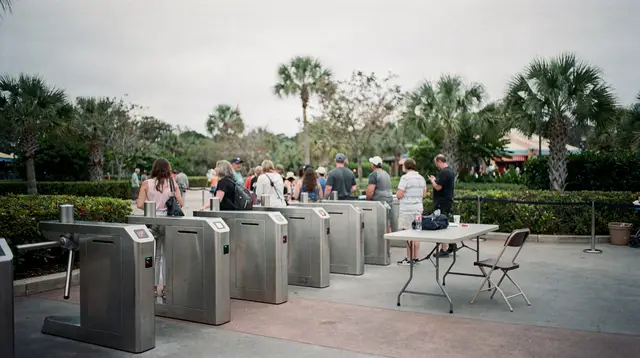
GetYourGuide does not provide a product photo for this activity — the image shows the meeting point, photographed by us.