Jet ski and parasailing on the Gulf Coast
Do I need a license to rent a jet ski on the Gulf Coast?
Anyone born on or after January 1, 1988 must carry a Florida Boating Safety Education ID Card, and operators must be at least 18 for an unguided rental (14 with a certified adult aboard on some rentals, though most shops set their own 18-plus policy). Guided intracoastal tours with an instructor on a lead boat have looser age rules but still require a driver's license and a credit card hold.
What the Gulf Coast actually offers
St. Petersburg’s barrier islands sit on the Intracoastal Waterway, a stretch of calm, protected water sheltered from the open Gulf by a chain of keys running from Clearwater down through St. Pete Beach and Treasure Island to Fort De Soto. That geography is why the region became a jet ski and parasailing hub: flat water most mornings, steady onshore breeze for lift, and a launch point close to hotels in St. Petersburg and the beach towns nearby. This guide covers powered watercraft — jet ski rentals and guided tours, plus parasailing — and the rules, prices and paperwork that trip up first-time renters. It does not cover paddleboarding or kayaking (see paddleboarding on the Gulf beaches and kayak rental on Long Bayou), and it does not cover sightseeing boat cruises, which have their own page at Tampa Bay sunset cruise and dolphin watching in Clearwater.
Who can drive: the age and license rules nobody explains upfront
Florida’s boating law hinges on a single date. Anyone born on or after January 1, 1988 must hold a Florida Boating Safety Education ID Card before operating any vessel with 10 horsepower or more, and a jet ski qualifies at well over 10 horsepower. The card comes from a short approved online course — about three hours, roughly 30 USD — and most people take it the week before their trip and print a temporary certificate, since the physical card can take weeks to arrive by mail.
Rental shops layer their own policy on top of the state minimum. Almost every operator around St. Petersburg requires the driver to be at least 18 years old with a valid driver’s license, a credit card in that same name, and the boating safety card if born after the 1988 cutoff. A 16-year-old with a state-legal right to drive a personal watercraft will still be turned away by most rental counters, because the shop’s own insurance sets the floor, not state law. Guided tours change the equation: on a guided intracoastal jet ski tour like the Madeira Beach three-hour intracoastal jet ski tour, an instructor leads the group at a set pace, and some operators allow younger drivers to ride behind a licensed adult on a shared machine, but a photo ID and the safety card are still checked at the dock.
| Activity | Typical minimum age | Boating safety card required |
|---|---|---|
| Unguided jet ski rental | 18 | Yes, if born after Jan 1, 1988 |
| Guided intracoastal jet ski tour | 16 with adult, varies by operator | Usually yes for the driver |
| Parasailing (passenger only) | Often 6-8, weight-based | No |
No-wake zones and manatee zones: why the map matters more than the throttle
The Intracoastal Waterway between St. Petersburg and the barrier islands is a manatee protection zone for long stretches, and Florida law sets idle speed within 300 feet of any posted manatee sign, marina, or narrow channel. Separately, state boating law requires slow, no-wake speed within 300 feet of a beach, a swimmer, a moored vessel, or the shore of any occupied structure. In practice this means the fast, open-throttle riding most people picture happens only in a handful of designated zones further offshore or in wider bay water, not along the shoreline where the launch docks sit.
Every reputable rental shop hands over a laminated chart marking the no-wake corridors, the manatee zones and the sandbar hazards before the keys change hands, and guided tours simply lead the group through the legal route rather than leaving each rider to interpret a map at speed. Ignoring a posted zone is a citable offense from Florida Fish and Wildlife patrol boats, and fines start in the hundreds of dollars — a real risk on the Gulf Coast, where patrols are frequent because the manatee population here is dense. For background on the animals themselves, see manatee season month by month, which covers the winter congregations further north and inland, not the Gulf beaches.
Formats: rental by the hour, guided tour, or parasail flight
Self-drive rental. The simplest option: a jet ski by the hour or half-day from a dock in St. Petersburg or one of the beach towns, no guide, ride within the marked zones on your own. Expect 90 to 150 USD per hour for a single machine, with half-day and full-day rates that lower the hourly cost but rarely fall below about 400 USD for a full day. Fuel is usually included up to a point, with a surcharge if the tank comes back low.
Guided intracoastal tour. A led group ride out to the barrier islands and back, typically two to three hours, with stops for photos or a sandbar break. The Madeira Beach three-hour intracoastal jet ski tour is built around this format. Prices run around 150 to 250 USD per machine for two riders sharing one jet ski, which usually works out cheaper per person than a solo self-drive rental of the same length, and the guide handles navigation through the no-wake and manatee zones.
Parasailing. A powerboat tows one, two or three riders in a harness beneath a parachute canopy, typically 300 to 600 feet above the Gulf for 8 to 12 minutes of actual flight time within an hour-long boat trip. The St. Petersburg parasailing tour and the parasailing flight departing from Treasure Island both run this format. Single flights land around 75 to 100 USD, tandem and triple flights are priced per seat and often discount slightly for groups flying together.
| Format | Duration | Typical price |
|---|---|---|
| Self-drive jet ski rental, single machine | 1 hour | 90-150 USD |
| Self-drive jet ski rental, full day | 6-8 hours | 400-600 USD |
| Guided intracoastal jet ski tour | 2-3 hours | 150-250 USD per machine |
| Parasailing, single flight | About 1 hour boat trip, 8-12 min flight | 75-100 USD per person |
| Parasailing, tandem or triple | About 1 hour boat trip | 65-90 USD per person |
For a guided jet ski outing, the three-hour guided jet ski tour through the intracoastal channels near Madeira Beach covers the no-wake zones as part of the route, which removes the navigation guesswork for a first-time rider. For parasailing, the parasailing flight departing from St. Petersburg’s waterfront is the most central launch point for anyone based downtown rather than on the beach.
The deposit: the number that changes the math
Jet ski rentals require a credit card security deposit, held (not charged) at the time of pickup, typically 500 to 1,500 USD per machine. The shop releases the hold within a few business days if the jet ski returns with no damage. This deposit is separate from the rental fee and separate from any optional damage waiver purchased at booking — reading the total is not the same as reading the deposit line, and the two numbers are often on different pages of the waiver.
What the insurance actually covers — and the sandbar trap
Most rental shops offer an optional damage waiver for an extra daily fee, usually 15 to 40 USD. It sounds like full coverage. It almost never is. The waiver typically covers accidental cosmetic damage and mechanical failure not caused by operator error, but it commonly excludes grounding, running aground on a sandbar, or damage from operating outside the marked channel — precisely the situation a first-time rider is most likely to cause, since sandbars shift with the tide and are not always visible from the seat of a jet ski at speed.
This is the single most common complaint from Gulf Coast jet ski renters: the waiver was purchased, the machine still ran aground on a falling tide near a sandbar, and the shop deducted a damage charge of several hundred dollars — commonly 300 to 800 USD — from the deposit for a bent intake grate or a scraped hull, citing the grounding exclusion. Read the deductible clause before signing, ask the counter staff directly whether grounding is covered, and if the tide is falling, ask where the sandbars are before pulling away from the dock. A personal credit card’s travel insurance, where it exists, almost never extends to watercraft rentals either, so the rental shop’s own terms are the only coverage that applies.
Weather: the same afternoon pattern that shapes every Gulf Coast plan
Central Florida’s predictable summer storm pattern reaches the Gulf beaches too. From June through September, expect a build of wind and thunderstorms most afternoons, roughly 1 to 5 p.m., even on a day that starts clear. Rental shops and parasailing operators ground all activity the moment lightning is detected within about 10 to 15 miles, and that grounding can last well past the storm itself if a second cell follows. Morning bookings, ideally before 11 a.m., have a much better chance of running start to finish without a weather delay in summer. Fall and winter carry a lower storm risk but bring stronger, gustier wind on cold-front days, which grounds parasailing (a wind-dependent activity) more often than it grounds jet skiing. Rebooking policies vary; ask before paying whether a weather cancellation is refunded or only rescheduled.
What this guide does not cover
Paddleboarding and kayaking on the Gulf beaches, including guided paddle tours through the mangroves, are covered separately at paddleboarding on the Gulf beaches and mangrove tunnel kayaking near Sarasota. Sightseeing and sunset boat cruises that do not involve driving anything yourself are covered at St. Petersburg sunset and dolphin cruise and Sarasota Bay dolphin and wildlife cruise. Fishing charters have their own rules and pricing at Florida fishing charter basics.
Booking, transfers and the rest of the day
Most jet ski and parasailing operators around St. Petersburg are a short drive from downtown hotels and from the beach towns on the barrier islands; renting a car makes the morning easier than relying on the area’s limited public transport, and the basics of driving here — including toll transponders on the bridges to the beaches — are covered at tolls, SunPass and E-PASS explained and renting a car in Central Florida. For a full day plan that pairs a morning on the water with the rest of St.
Petersburg, see the destination page for St. Petersburg and the wider things to do in St. Petersburg hub, or browse the full water sports category for other options nearby. Anyone weighing a jet ski tour against a slower morning on the bay might also compare it with the two-hour kayak rental on the quiet water of Long Bayou near Seminole, which needs no license and runs regardless of the afternoon storm cutoff as long as it wraps up by early afternoon.
Jet ski and parasailing on the Gulf Coast: frequently asked questions
What is the minimum age to drive a jet ski in Florida?
Florida law lets a 14-year-old operate a personal watercraft if born before January 1, 1988 is not the test — anyone born on or after that date needs the boating safety card, and most rental operators around St. Petersburg set their own minimum at 18 with a valid driver’s license, regardless of what state law technically allows.
Do I need a boating safety certificate?
Yes, if you were born on or after January 1, 1988. Florida’s Boater Safety ID Card is earned through a short approved online course (roughly 3 hours, about 30 USD) and most Gulf Coast rental shops will not hand over the keys without it or a temporary certificate printed the same day.
How much does parasailing cost near St. Petersburg?
A single flight typically runs in the 75 to 100 USD range per person, with tandem and triple flights priced per seat and often discounted slightly per person for groups of two or three flying together. Boat fuel surcharges and photo packages are usually extra.
How much is the security deposit on a jet ski rental?
Expect a hold of 500 to 1,500 USD per machine, placed on a credit card and released within a few business days if the jet ski comes back undamaged. The exact figure and the deductible for damage vary by shop and are stated in the rental waiver, not always on the price list.
Does rental insurance cover running aground on a sandbar?
Rarely in full. Most rental waivers name a damage deductible, commonly 300 to 800 USD, that the renter owes for hull scrapes, a bent intake grate or a damaged impeller from grounding, even when an optional damage waiver was purchased, because grounding is frequently listed as an exclusion rather than a covered accident.
How close to the beach can a jet ski legally go?
Florida law requires personal watercraft to stay at slow, no-wake speed within 300 feet of any beach, swimmer, anchored boat, or the shoreline of any occupied structure, and idle speed within 300 feet of a manatee zone sign. Guides and rental staff mark these zones on a laminated map before departure.
Can I rent a jet ski or go parasailing in an afternoon thunderstorm?
No. Florida Gulf Coast operators ground both activities the moment lightning is reported within roughly 10 to 15 miles, which happens most summer afternoons between about 1 and 5 p.m. Morning bookings are far less likely to be interrupted from June through September.
Jet ski and water sports rentals on GetYourGuide
Verified deep-linked GetYourGuide tours. Book through these links and we earn a small commission at no cost to you.
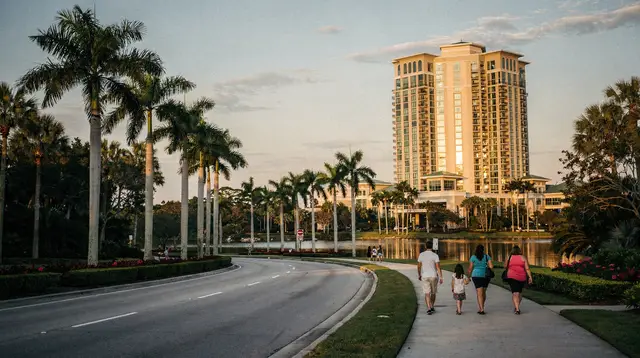
GetYourGuide does not provide a product photo for this activity — the image shows the meeting point, photographed by us.