St. Augustine harbor cruise: the Matanzas Bay view
Is a St. Augustine harbor cruise worth adding to a day trip from Orlando?
Yes, if you plan around it rather than bolt it on. Matanzas Bay shows the Castillo de San Marcos, the Bridge of Lions, and Anastasia Island's lighthouse from an angle the streets never give you, and dolphins often work the wake. Orlando to St. Augustine is about two hours each way, so the cruise turns the trip into a full day, not a half-day add-on.
Why the water changes how you see St. Augustine
Every visitor to St. Augustine walks the same streets and photographs the same gates. Almost nobody sees the town the way it was actually built to be seen: from Matanzas Bay, facing the fort as an attacking ship would have faced it in the 1600s. That’s the case for a harbor cruise here, and it’s a narrower, more specific case than “boat rides are fun.” The Castillo de San Marcos was designed with its strongest defenses toward the water, and its coquina walls, angled bastions, and low profile only read correctly from that direction. From the street side, it’s a stone fort. From the bay, it’s a machine built to survive cannon fire, and you can see why.
The same logic applies to the rest of the skyline. The Bridge of Lions, with its twin marble lion statues and Mediterranean Revival towers, was built to be crossed and to be looked at from below — most land-based photos flatten it into a plain span. The Anastasia Island Lighthouse, with its black-and-white spiral stripes, sits far enough from downtown that it barely registers on a walking tour, but it’s a clean, obvious landmark from the water. None of this requires a long trip. A standard narrated cruise on Matanzas Bay runs about an hour, covers all three, and adds a real chance of a dolphin escort.
This guide covers the cruise formats available on Matanzas Bay, when to book each one, the parking situation downtown (a genuine friction point, not a footnote), and how the trip fits into a day from Orlando. It does not cover walking tours of the old town or ghost tours — those are separate experiences with their own planning, covered on their own pages.
What you actually see from the water
The Castillo de San Marcos, built between 1672 and 1695 from coquina, a shellstone quarried locally, sits directly on Matanzas Bay. Its water-facing wall is the one that mattered most historically — English and other attackers came by sea — and it’s the angle that shows the fort’s full scale, roughly the length of a few city blocks along the seawall. Most narrated cruises track close along this wall at some point in the route.
The Bridge of Lions crosses Matanzas Bay between downtown St. Augustine and Anastasia Island. Its Mediterranean Revival towers and pair of marble lion statues, added when the bridge was rebuilt in the 1920s, are far more visible from a boat passing underneath or alongside than from either end of the span on foot.
The Anastasia Island Lighthouse, still an active aid to navigation, stands on the island across the bay. It’s a longer-range landmark on most cruises — visible in the distance rather than a close pass — but it anchors the horizon on the return leg, especially at sunset when its light starts its rotation against a darkening sky.
Dolphins are resident in Matanzas Bay and the connected Intracoastal Waterway, and crews actively watch for them, but no cruise operator can promise a sighting. Calmer water and quieter boat traffic — typically late morning or the first sunset departure of the evening rather than a crowded peak slot — tend to produce better odds, but that’s an observation, not a guarantee, and no honest guide should sell it as one.
Choosing a format
The four cruise formats on Matanzas Bay cover different times of day and different priorities. None of them overlaps with a walking tour or a ghost tour of the old town; those stay on foot and are covered separately.
| Format | Typical length | Best for | Best time to book |
|---|---|---|---|
| Daytime narrated sightseeing | 60–75 min | Clear photos of the fort, easier narration | Year-round, book a day or two ahead |
| Sunset cruise | 60–75 min | Warm light on fort walls, cooler ride in summer | Most-booked slot; book several days ahead in high season |
| Family-friendly sunset | ~60 min | Younger kids, shorter runtime, calmer pace | Same as sunset; ask about age minimums |
| History and dolphin-focused cruise | 75–90 min | Combining Castillo/bridge narration with dolphin watching | Book ahead, especially weekends |
| Nights of Lights evening cruise | 60–90 min | Illuminated old town skyline, late Nov–Jan only | Weeks ahead for peak weekends |
The daytime sunset sailing on Matanzas Bay is the standard choice and the one worth booking first if you’re only doing one cruise — it’s the most frequently scheduled and gives the fort walls their best light. For families with younger children, the family-friendly version of the sunset cruise runs a shorter, calmer route aimed at that audience. If dolphin sightings and a fuller history narration matter more than sunset colors, the combined history and dolphin-watching cruise spends more time on both. A version with onboard drinks is also sold as the harbor tour with drinks included, aimed at an adults-only crowd rather than families.
The sunset cruise: why it’s the most booked slot
The sunset departure sells out first for a simple reason: the light. Coquina walls that look flat gray at noon pick up warm tones as the sun drops, and the Bridge of Lions towers silhouette well against an orange sky. In summer, the sunset slot also avoids the worst of the afternoon heat and the daily storm pattern common to central and northeast Florida — most afternoon thunderstorms clear by early evening, leaving a calmer bay for the crossing.
The tradeoff is booking pressure. Because it’s the default choice for most visitors, sunset departures fill first, especially on weekends and around holidays. If a specific evening matters — an anniversary, a trip with a tight schedule — book several days ahead rather than assuming a same-day slot will be open.
The Nights of Lights cruise: a winter-only, plan-ahead trip
From late November through late January, St. Augustine strings roughly three million small white lights across the old town for its Nights of Lights display, one of the most recognized holiday lighting displays in the country. Seeing it from the water — the illuminated skyline reflecting off Matanzas Bay, the Bridge of Lions lit against a dark sky — is a genuinely different experience from walking the same streets on foot, and it’s the reason the evening cruise timed to the Nights of Lights display exists as its own product rather than a rebranded sunset trip.
This is also the tightest booking window on this page. Evening cruises during Nights of Lights sell out days to weeks ahead on peak weekends, particularly in December. If a winter St. Augustine trip is on the calendar, book this one as soon as dates are set — don’t wait until the week of the trip and expect availability.
Winter daytime temperatures in Florida run around 22°C (72°F), pleasant for a harbor cruise, but evenings can drop to 10°C (50°F) or lower after dark. Bring a layer; an open-deck boat on a winter evening is colder than the daytime forecast suggests.
Distance from Orlando: budget the whole day
St. Augustine is about 170 km (105 miles) from Orlando, roughly two hours each way on I-4 and I-95 with normal traffic. That round trip alone is close to four hours of driving, which is the main planning fact this page needs to state plainly: a St. Augustine harbor cruise is not a quick evening detour from an Orlando base. Pair it with time in the old town — the fort, St. George Street, the Castillo — and it becomes a full day trip, not a half-day one. For a structured plan, see the one-day St. Augustine itinerary from Orlando or the broader best day trips from Orlando guide.
Because the drive alone eats a chunk of the day, cruise timing matters. A sunset cruise booked for 6:00 p.m. sounds simple until the actual math: leaving Orlando by mid-morning, spending several hours in the old town, then driving back after dark on top of the return trip. Some visitors instead treat St. Augustine as an overnight rather than a single-day round trip specifically to avoid a late drive home after an evening cruise.
Most of that drive runs on I-4 before splitting to I-95, and the I-4 and traffic guide covers what actually slows that corridor down and when to avoid it. If the car isn’t already sorted, see renting a car in Central Florida and, since both interstates run toll-free but nearby Orlando roads often don’t, SunPass and E-Pass explained for how tolling actually works in the region. Visitors building a longer loop sometimes fold St. Augustine into a two-coast, two-week grand tour that also reaches the Gulf side and the Space Coast rather than treating it as a single out-and-back day.
Parking downtown: the real friction point
St. Augustine’s historic downtown was laid out for foot and horse traffic centuries before cars existed, and it shows. On-street parking near the bayfront and the marinas is limited, metered, and gone fast on weekends and any evening with a cruise or event scheduled. This is not a minor footnote — it’s the single most common reason visitors miss a boarding time.
The Historic Downtown Parking Facility on Cordova Street is the most reliable option for cruise departures near the bayfront marinas, but it still requires a five-to-ten-minute walk to most boarding docks, longer if the garage itself is full and you’re circling for a spot. Build in real buffer time — arriving fifteen to twenty minutes before boarding, not five — because cruise boats depart on schedule and a late arrival after a parking search can mean missing the boat outright with no refund guaranteed.
The trap to actually avoid: booking a sunset cruise for the exact end of a long day in the old town, arriving downtown already tired, and assuming a parking spot will be waiting near the dock. It won’t be, especially in high season. Either park once for the whole visit and walk everywhere, including to the boat, or plan a specific window to re-park closer to departure time.
Pairing the cruise with the rest of St. Augustine
A harbor cruise covers the water; the rest of St. Augustine’s draws are on foot or on wheels, and they fill out the day without competing for the same time slot. The old town walking tour for first-timers is the natural daytime pair, but visitors with more time also add a food tasting tour through the historic district, a slower-paced golf cart sightseeing tour that covers more ground than walking without the effort, or the hop-on-hop-off trolley for a flexible, stop-anywhere version of the same streets. Evening ghost walks are the after-dark alternative to a Nights of Lights or sunset cruise, aimed at a different mood entirely — worth knowing about even though this page doesn’t cover them in depth.
None of these compress into a half-day alongside a two-hour drive each way from Orlando. Picking one land-based activity to pair with the harbor cruise, rather than trying to fit two or three, keeps the day realistic.
Practical planning notes
- Dress for open decks. Most boats have partial or full open-air seating. Sun in the afternoon, wind on the water even in summer, and real cold on winter evenings all apply.
- Bring the fort visit and the cruise together. Seeing the Castillo de San Marcos on foot first, then from the water afterward, gives the clearest sense of how the fort was actually designed to work.
- Don’t confuse this with a walking tour. Harbor cruises stay on the boat; they don’t stop at St. George Street or the fort gate. Pair with the St. Augustine old town walking tour for the on-foot half of the day.
- Skip the ghost angle here. Evening ghost-themed boat and walking tours exist in St. Augustine but are a separate product with a separate page; this guide sticks to sightseeing, sunset, and Nights of Lights cruises.
- Dolphins are a bonus, not a booking reason on their own. If dolphin watching is the main goal, Clearwater’s dolphin cruises on the Gulf side run more consistent sightings than Matanzas Bay.
- A saltwater bay cruise is a different experience from a freshwater river cruise. For manatees, alligators, and cypress-lined banks rather than a historic fort skyline, the St. Johns River eco-cruise out of the St. Johns River corridor is the inland alternative, not a substitute for this one.
- Hurricane season runs June 1 through November 30, peaking August through October. Afternoon storms are routine and usually brief, but a named storm can cancel a cruise outright; check the hurricane season travel guide before booking a trip in that window.
- Prices are quoted in USD and exclude Florida’s sales tax and any county surtax, which apply on top of the listed fare.
St. Augustine harbor cruise: questions before you book
How long is a St. Augustine harbor cruise?
Most narrated sightseeing and sunset cruises on Matanzas Bay run about 60 to 75 minutes. Combination formats that add drinks or a longer route can run closer to 90 minutes.
Will I see dolphins on the cruise?
Bottlenose dolphins are resident in Matanzas Bay and the Intracoastal Waterway, and crews watch for them, but sightings are not guaranteed on any single trip. Dolphin activity tends to be better on calmer water and lower boat traffic, which usually means late morning or the first sunset departure rather than a packed midday slot.
Which is better, the sunset cruise or the daytime narrated cruise?
The daytime cruise gives clearer, longer light on the Castillo de San Marcos and Anastasia Island Lighthouse and an easier narration to follow. The sunset departure is the most booked slot for a reason: warm light on the fort walls and the Bridge of Lions, plus a cooler ride in summer. Neither is wrong; it depends on whether you value photos of the fort or the sky.
Do I need to book in advance, especially in winter?
Book ahead for any Nights of Lights evening cruise from late November through January. St. Augustine’s holiday lights draw crowds specifically for the harbor view of the illuminated old town, and those evening sailings sell out days or weeks ahead on the busiest weekends. Daytime and standard sunset cruises can usually be booked a day or two out in the off-season.
Where do I park for a harbor cruise in St. Augustine?
The historic downtown has limited on-street parking and it fills fast. The Historic Downtown Parking Facility on Cordova Street is the most reliable option near the marina, but plan for a five to ten minute walk and add real buffer time — arriving a few minutes late can mean missing boarding entirely, since boats depart on schedule.
How far is St. Augustine from Orlando?
About 170 km (105 miles), roughly a two-hour drive each way on I-4 and I-95. That makes a harbor cruise plus any time in the old town a full day trip from Orlando, not a quick half-day detour.
Is the cruise suitable for young children?
Family-friendly sunset cruises exist specifically for this. Open decks, life jackets sized for kids, and a shorter runtime around an hour make it manageable, but toddlers on a moving boat for over an hour need realistic expectations either way.
Does the cruise go past the Castillo de San Marcos?
Yes. Matanzas Bay sits directly in front of the fort, and most narrated routes pass close along the seawall, which is the main reason to book a cruise at all — it’s the only way to see the Castillo’s water-facing profile as its Spanish builders designed it to be seen, from an attacking ship’s approach.
Season by season travel guides on GetYourGuide
Verified deep-linked GetYourGuide tours. Book through these links and we earn a small commission at no cost to you.
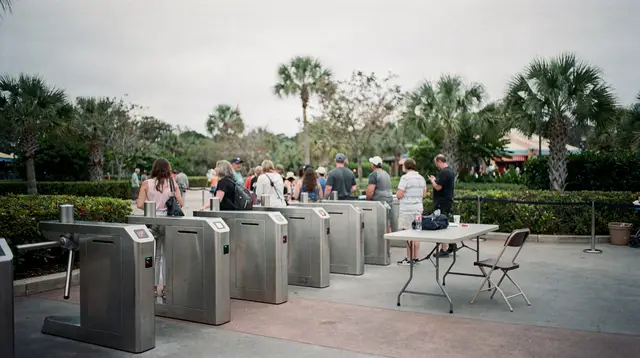
GetYourGuide does not provide a product photo for this activity — the image shows the meeting point, photographed by us.