Shelling boat trips from Bradenton and Anna Maria Island
How do shelling boat trips from Anna Maria Island actually work?
A boat runs from a Bradenton-area marina to a sandbar or spoil island that's only reachable by water, timed around low tide so shells are actually exposed. You get a few hours to wade, walk the bar, and swim before heading back by early afternoon, ahead of the daily summer storms.
A shelling boat trip out of Bradenton or Anna Maria Island isn’t a tour with a schedule of stops. It’s a slow day built around one thing: a sandbar or spoil island that only shows itself at low tide, reachable only by boat, where shells pile up on the exposed sand and the water stays calm enough to wade and swim. Get the tide right and it’s one of the easiest, least rushed days on the Gulf coast. Get it wrong and you’re standing over a sandbar that’s already three feet underwater.
How the trip actually runs
Most operators leave from a marina in Bradenton Beach, Cortez, or on Anna Maria Island itself, and head out into Tampa Bay’s southern passes or the barrier chain toward Egmont Key and Passage Key. The destination is usually a sandbar or a small spoil island — an uninhabited strip of sand built from dredged material, with no facilities and no shade beyond what you bring.
The trip length runs from about three to five hours depending on the operator, and the departure time is set by the tide table, not a fixed clock. A trip aiming for a mid-morning low tide might leave the dock well before sunrise in one season and mid-morning in another. When you book, the confirmation email will usually give a departure window rather than a fixed hour until closer to the date, once the tide for that week is known.
On the water, the format is simple: cruise out through one of the passes (where dolphin sightings are common), anchor or beach near the sandbar, and spend an hour or two wading the shallows and walking the exposed sand looking for shells. Whelks, olives, cockles, and the occasional sand dollar are typical finds; a true horse conch is a rare, memorable one. Between shelling, most people swim, float, or just sit in ankle-to-knee-deep water — there’s no current to fight and no waves to speak of on the bay side of these bars.
Why the return is timed for early afternoon
Central Florida’s Gulf coast gets a thunderstorm most summer afternoons, typically building from around 1 p.m. and breaking by mid-afternoon. Boats running shelling trips plan the return leg to beat that window, which is why a trip that starts at 8 a.m. is usually back at the dock by noon or 1 p.m., even if the sandbar itself was only fully exposed for two of those hours. It’s not a rushed itinerary — it’s a day built backward from the tide and the weather, and a well-run operator will tell you the return time is fixed even if you want to linger.
The rule: no live shells
Florida law protects live shells — meaning any shell with the animal still inside — in most waters around Anna Maria Island and Bradenton Beach. A live whelk, conch, or sand dollar has to go back exactly where it was found. Guides on these trips check what guests are collecting and will point out the difference: an empty shell is light, dry-looking, and often has a chip or opening; a live one has weight, a visible operculum (the trapdoor-like cover), or a soft body inside. It’s an easy rule to follow once someone shows you the difference once, and worth asking about in the first five minutes on the sandbar rather than after a bucket is full.
Who this trip suits
This is a slow-day trip, not a checklist tour. It suits families with kids old enough to wade safely and couples who want one unhurried stop rather than a boat that hits four locations in a morning. There’s no hiking, no snorkeling gear, and nothing technical about it — the entire activity is walking shallow water and looking down. That also means it’s a poor fit for anyone wanting an active, adventure-paced day; for that, a dolphin cruise or a kayak trip through the mangroves covers more ground.
Best time of year
Florida’s hurricane season runs June 1 through November 30, with the highest storm risk from August through October, and that window overlaps with the same summer afternoon thunderstorms that already shape the return time on every shelling trip. It doesn’t rule the season out — plenty of shelling trips run all summer, and operators cancel or reschedule for an actual tropical system rather than the routine daily storm — but it does mean summer bookings carry a higher chance of a weather reschedule than a winter one.
Winter in central Florida and on the Gulf coast is the drier season, with daytime temperatures still commonly in the low-to-mid 20s Celsius, so a January or February sandbar day is usually calmer, less humid, and less likely to get bumped by an afternoon cell. The trade-off is water temperature: swimming and wading are more comfortable in the warmer months, so plenty of visitors still choose summer despite the storm-season caveat. For more on how the season overall shapes a Florida trip, see the hurricane season travel guide and Orlando in winter, the dry season.
Dolphins in the passes
Bottlenose dolphins are resident year-round in Tampa Bay’s southern passes and around Anna Maria Island, and boats transiting Longboat Pass or the channel near Bean Point often pass through pods on the way to or from the sandbar. It’s not the focus of a shelling trip, and no operator should promise a sighting, but it’s a genuine and frequent bonus rather than a rare one.
Shelling versus other Gulf coast water days
A shelling trip is deliberately low-key, and it’s worth comparing against the other ways to spend a day on the water around Bradenton and Anna Maria Island before booking. Jet ski and parasailing trips on the Gulf coast sit at the opposite end of the pace scale — short bursts of speed or height rather than a slow afternoon wading a sandbar — and suit a traveler who wants adrenaline more than shells. Gulf beaches bike rides and paddleboarding the Gulf beaches are land- and paddle-based alternatives for a morning or afternoon that don’t depend on a tide table at all, which makes them easier to slot into a trip on short notice. None of these replace a shelling trip’s particular appeal — standing on sand that’s underwater half the day — but they’re useful fallbacks if the tide table doesn’t cooperate with your travel dates.
Building it into a longer Gulf coast trip
Because the drive from Orlando rules out a comfortable same-day round trip, most visitors fold a shelling day into a multi-day Gulf coast stay rather than a single booking. The three-day Orlando-to-Tampa Gulf taster itinerary and the seven-day Orlando parks and Gulf beaches itinerary both cover the kind of pairing that works well: theme parks or Orlando sights on one end, a slower Gulf coast stretch — Bradenton, Anna Maria Island, Sarasota, or St. Petersburg — on the other, with a shelling trip as one of the low-effort, high-payoff days in the mix. Since departure times shift with the tide table, it’s worth building in a buffer day or treating the shelling trip as the flexible piece of the itinerary rather than the fixed one, especially if you’re also trying to time a stop at Tampa or Ybor City around it.
What to bring
| Item | Why |
|---|---|
| Hat and reef-safe sunscreen | No shade on a sandbar; several hours of direct sun |
| Water shoes | Shell-covered sand isn’t barefoot-friendly |
| Rash guard or cover-up | Extra protection for longer trips |
| Dry bag | Keeps a phone or camera dry when wading |
| Refillable water bottle | Check whether the operator supplies a cooler |
| Small bag or net for shells | Only for empty shells — see the rule above |
Bring cash for a tip if the crew is helpful with identification or handling the boat, and check ahead whether the operator provides a cooler with drinks or asks guests to bring their own; this varies by boat and isn’t always stated up front.
Getting there from Orlando
Bradenton and Anna Maria Island sit about 210 km (130 miles) and roughly two hours fifteen minutes southwest of Orlando by car, similar to the drive to Sarasota. That distance puts this trip out of range for a comfortable same-day outing layered onto a theme-park stay — by the time you’ve driven down, done a three-to-five-hour boat trip, and driven back, it’s a fourteen-hour day at minimum. Most visitors either treat the Gulf coast as its own overnight or two-night stay, staying in Bradenton or on Anna Maria Island itself, or fold it into a longer central Florida trip that already includes a Gulf coast stop for Sarasota or Clearwater.
From the island or Bradenton, other Gulf coast stops sit within easy range: St. Petersburg and the Dalí Museum are about forty minutes north, and Tampa with Ybor City is under an hour.
The common mistake
The single most avoidable disappointment on a self-planned shelling trip is timing a visit for high tide. A sandbar that’s a wide, dry expanse of shell-covered sand at low water can be entirely submerged at high tide, leaving nothing to walk and nothing to find. This is exactly why booked shelling trips build their departure around the tide table rather than a convenient hour — and why trying to improvise the same trip with a rented boat and no local tide knowledge is the fastest way to end up circling a sandbar you can’t actually stand on. If you’re planning around a specific date, check a Bradenton-area tide chart for that week before locking in a departure time with any operator.
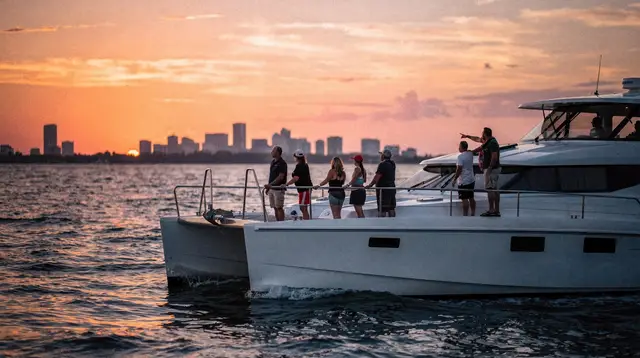
Book through a half-day sandbar and shelling trip out of Anna Maria Island for the classic version of this outing, or if shelling is secondary to the scenery, a dolphin-focused cruise around the island’s passes covers similar water with more time watching wildlife. Couples wanting a quieter, adults-paced version can look at a private sunset boat tour from Bradenton Beach, and for a shelling trip departing from the St. Petersburg side of the bay instead, this St. Petersburg island sunset and shelling trip is the equivalent option on that shore.
Nearby on the water
Shelling isn’t the only way to spend a slow day on this stretch of coast. Sarasota Bay’s dolphin and wildlife cruises cover similar water a little further south, and mangrove tunnel kayaking near Sarasota is a quieter, paddle-paced alternative for the same coastline. Further north, dolphin watching out of Clearwater and a paddle out to Caladesi and Honeymoon Island hit the same low-key, water-based notes. If shelling and sandbars turn into a broader interest in Florida’s spring-fed and coastal water days, the Florida springs day trip planner covers the freshwater side of that same slow-travel approach, and paddleboarding the Gulf beaches is another easy add for a multi-day Gulf coast stay.
For planning the wider trip, Bradenton and Sarasota both make workable bases, and the Sarasota Bay dolphin and wildlife cruise or a stop at Clearwater pair naturally with a shelling day if you’re building a multi-stop Gulf coast itinerary rather than a single overnight. St. Petersburg’s Dalí Museum district also makes a reasonable inland pivot for the afternoon once the boat trip wraps up and the daily storm risk sets in.
Shelling and sandbar trips: frequently asked questions
What’s the best tide for a shelling trip?
Low tide, or the two hours on either side of it. Sandbars that sit exposed at low water disappear completely at high tide, and shells wash back into deeper water. Operators build their schedules around the tide table, not the clock, so trip start times shift day to day.
Can I keep the shells I find?
Only empty ones. Florida law prohibits taking a live shell, meaning one with an animal still inside, from most public waters around Anna Maria Island and Bradenton Beach. Guides check what you’re picking up and will ask you to put back anything still occupied.
Will I see dolphins on the trip?
Often, though never guaranteed. Bottlenose dolphins are common in the passes around Anna Maria Island and Tampa Bay’s southern mouth, and most shelling and sandbar boats pass through at least one pass on the way out or back.
How far is this from Orlando?
About two and a half hours by car each way, so it works best as an overnight stay on Anna Maria Island or in Bradenton rather than a day trip bolted onto a theme-park week.
What should I bring?
Sun protection is the main one: a hat, reef-safe sunscreen, and a rash guard if you burn easily, since there’s little to no shade on a sandbar. Water shoes help on shell-covered sand, and a dry bag protects a phone or camera. Some boats supply a cooler and drinking water; check when booking.
Is this trip good for young kids?
Generally yes. The pace is slow, the water on the sandbar is usually shallow and calm, and there’s no snorkeling or hiking involved. The main risk is sun exposure over several hours with limited shade, so plan accordingly.
Do these trips visit islands south of Sarasota, like Sanibel or Captiva?
No. Trips out of Bradenton and Anna Maria Island stay in the local passes and sandbars around Tampa Bay’s south end. Sanibel and Captiva are a separate stretch of coast, roughly two hours further south, and aren’t part of this itinerary.
Scenic boat cruises and sunset river tours on GetYourGuide
Verified deep-linked GetYourGuide tours. Book through these links and we earn a small commission at no cost to you.
GetYourGuide does not provide a product photo for this activity — the image shows the meeting point, photographed by us.